White Sapote
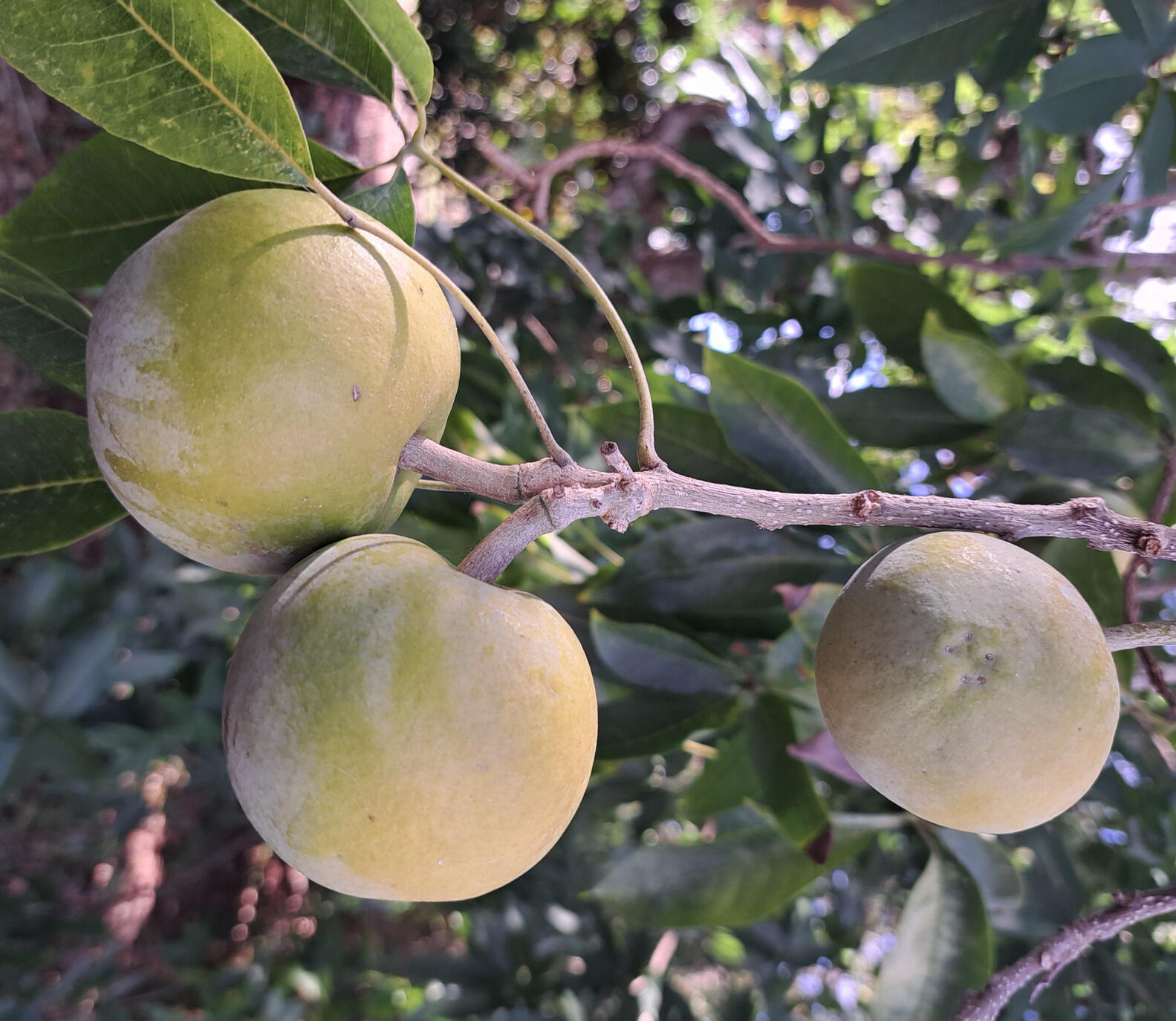
Pupukea King!
The Pupukea King White Sapote has a sweet pear custard flavor with a hint of persimmon and a delightful tropical twist. The fruits have a rounded shape, either perfectly round or with a charming double bump as they mature. The thin skin is easy to avoid and has less bitterness than other varieties adding to this sapote's superior taste."Pupukea King" was named to showcase both the family name and land where it was discovered.Fruit is light green with a golden hue on top when ripe!Growing Tips: Thrives in full to partial sun with well-draining soil. Drought-tolerant once established but benefits from occasional deep watering.
A heavy-producing mango with rich, smooth flesh.
CAC Mango
Large, oval mango with green to yellow skin when ripe. The flesh is sweet, rich, and smooth, with a mild fruity aroma. CAC is a highly productive variety with moderate disease tolerance, making it a great choice for growers looking for reliability and good yields. Its smooth, fiberless flesh makes it excellent for fresh eating and juicing.CAC mangoes are known for their high yield and mild, sweet flavor.
Large, oval fruit with green-yellow skin.
Sweet, rich, and fiberless flesh.
Mild fruity aroma with moderate disease tolerance.
Great for growers looking for consistent, high-quality fruit.
A small but mighty mango with Indochinese roots.
Cambodiana Mango
Small, oval fruit with light yellow skin and fiberless flesh. It has a mellow, sweet Indochinese-type flavor and contains a polyembryonic seed. Cambodiana is favored for its unique balance of sweetness and mild acidity, making it a great addition to tropical fruit salads or fresh consumption.Cambodiana mangoes are highly prized for their unique, mellow sweetness.
Small, oval, light-yellow fruit.
Fiberless flesh with a mild Indochinese-style sweetness.
Polyembryonic seed makes it ideal for true-to-type propagation.
Excellent for fresh eating and tropical climates.
The Philippine mango, famous for its versatility.
Carabao Mango
Medium to large, oval fruit with green to yellow skin. Often eaten green for its crisp, tart taste, but ripens to a very sweet flavor with a hint of fiber. Carabao mangoes are known for their exceptional quality and versatility, making them one of the most sought-after varieties in the Philippines.Carabao is known for its ability to be eaten both green and fully ripe.
Medium to large, oval fruit with green-yellow skin.
Mildly sweet with some fiber when unripe, becoming very sweet when fully ripe.
Highly prized in the Philippines for its smooth, tropical taste.
One of the best mangoes for eating fresh or making green mango salads.
A mango that tastes like a tropical dream.
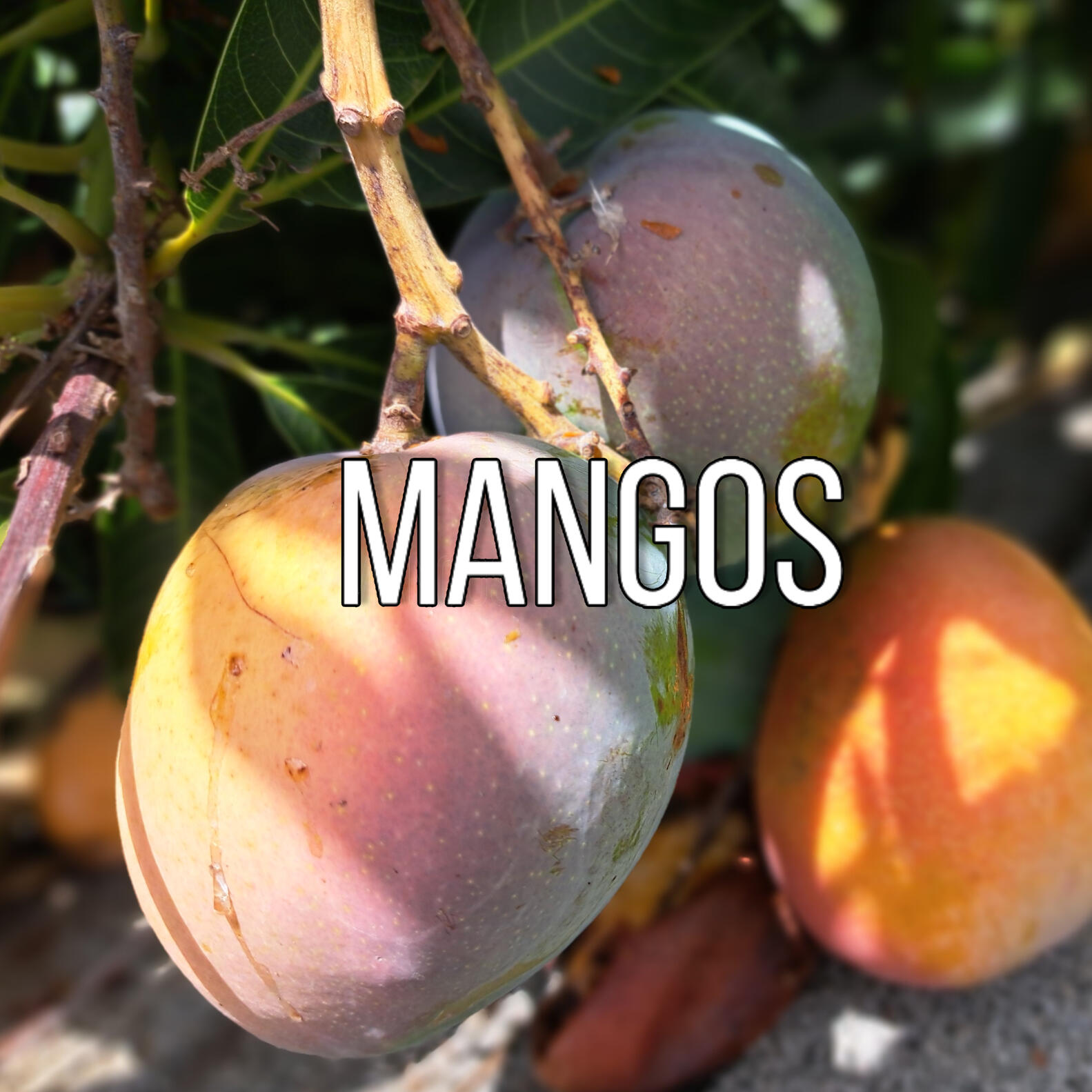
Coconut CReam Mango
Medium, round mango with yellow-green skin. Its creamy, rich, and almost fiberless flesh has an intensely sweet coconut-like flavor. This variety is highly resistant to many common mango diseases and thrives in full sun. Ideal for tropical desserts, smoothies, and fresh eating, Coconut Cream is a top choice for mango lovers seeking something exotic.Coconut Cream is an ultra-sweet, creamy mango with a unique coconut undertone.
Medium, round fruit with yellow-green skin.
Rich, smooth, and fiberless flesh with a coconut-like flavor.
Highly resistant to diseases, thrives in warm climates.
Excellent for fresh eating, desserts, and smoothies.
A sweeter, more fragrant take on the popular Rapoza mango.
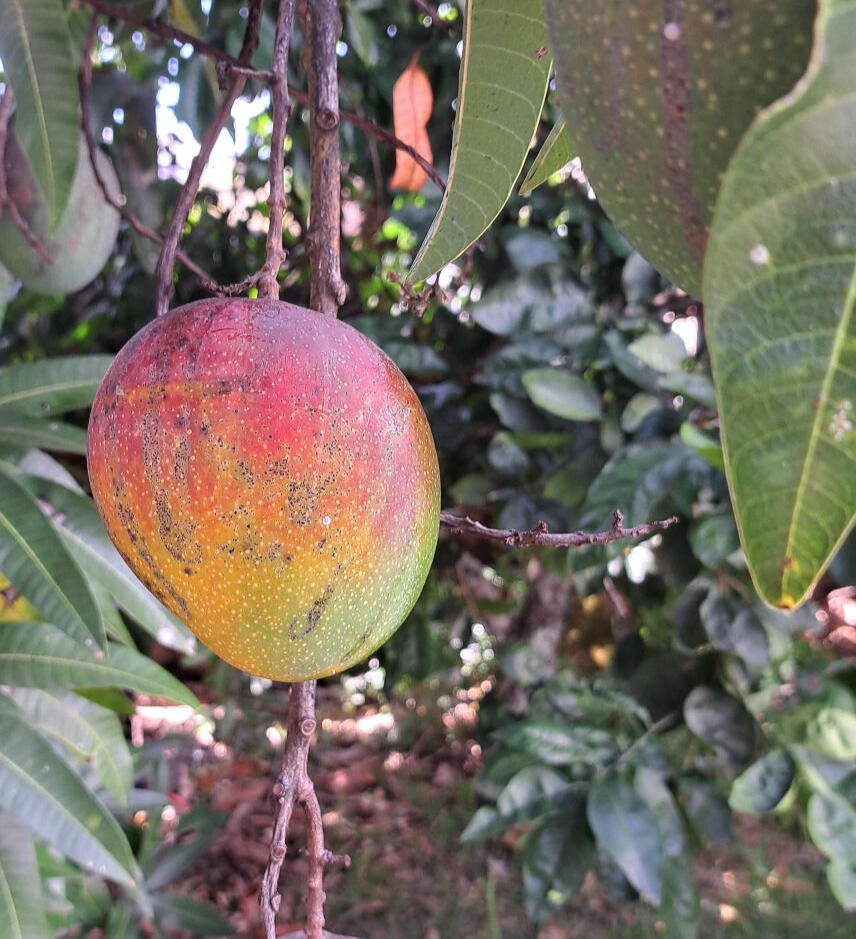
Cotton Candy Rapoza
Medium to large, oblong fruit with red and yellow skin. The flesh is sweet, fiberless, and melts in the mouth with a fragrant aroma. Like the popular Rapoza mango, this variety packs an even more intense sweetness and depth of flavor. It is a fantastic choice for fresh eating and tropical desserts.The "Cotton Candy" Rapoza mango is a hybrid close in relation to the popular Rapoza mango and is a popular choice among growers and consumers for its high-quality fruit, fiberless flesh, disease resistance, and adaptability to different growing conditions.
Like the popular Rapoza, but packed with more flavor and sweetness!
The taste can only be described as a cotton candy mango flavor
They make the BEST sorbets, smoothies, and sweet treats for everyone!
Beautiful color and high quality fruits make this our FAVORITE selection.
A tropical mango with an exotic aroma.
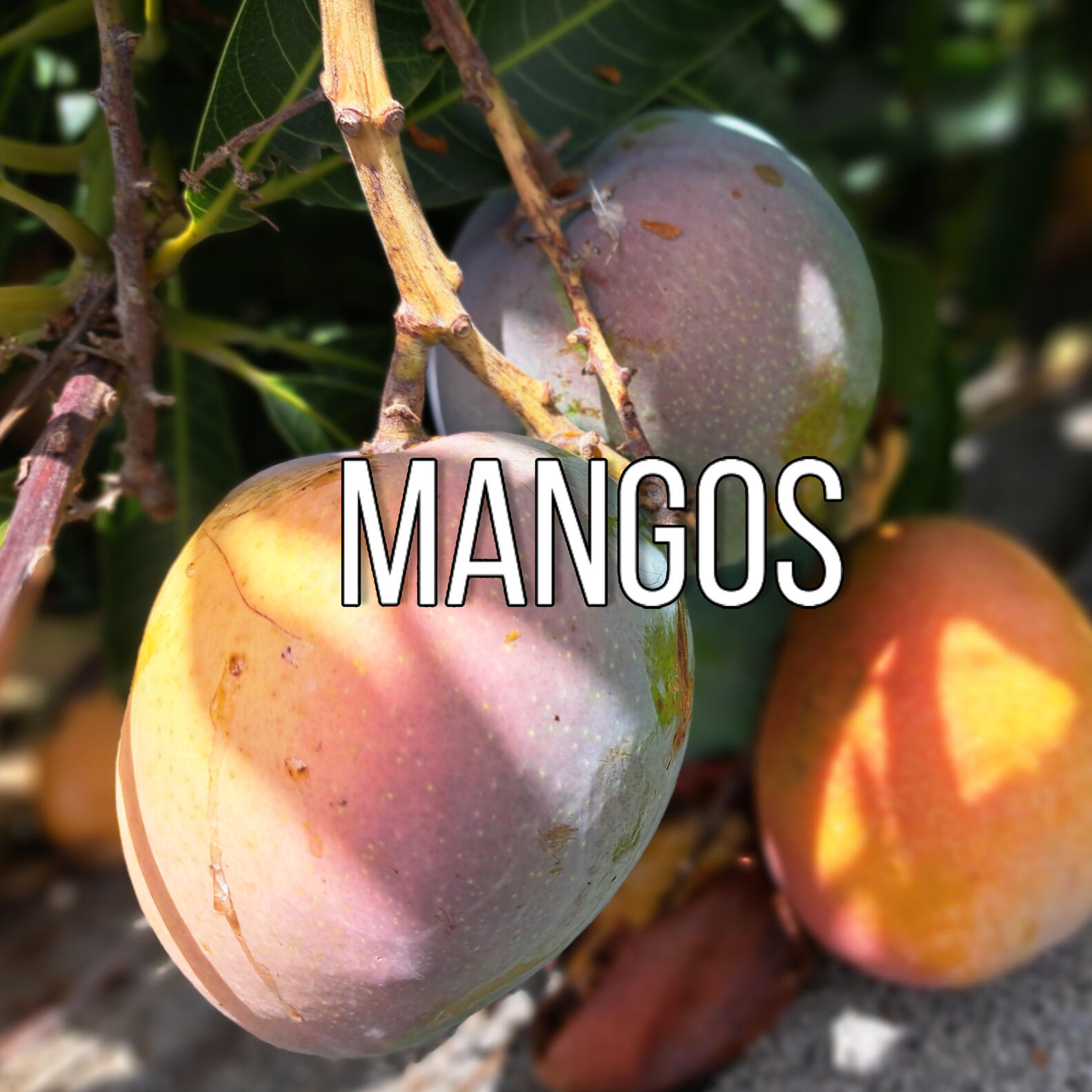
Dupuis Saigon Mango
Medium, round to oblong fruit with yellow to red skin. The flesh is sweet, rich, and smooth with minimal fiber and a highly fragrant aroma. This mango is known for its exotic, tropical flavor and is highly favored in Southeast Asia for its excellent balance of sweetness and fragrance.Dupuis Saigon mangoes are highly sought after for their fragrance and smooth texture.
Medium, round to oblong fruit with yellow-red skin.
Sweet, fiberless flesh with a rich tropical flavor.
Highly aromatic, making it a favorite in Southeast Asia.
Ideal for fresh eating and juice blends
A creamy, sweet mango with tropical vibes.
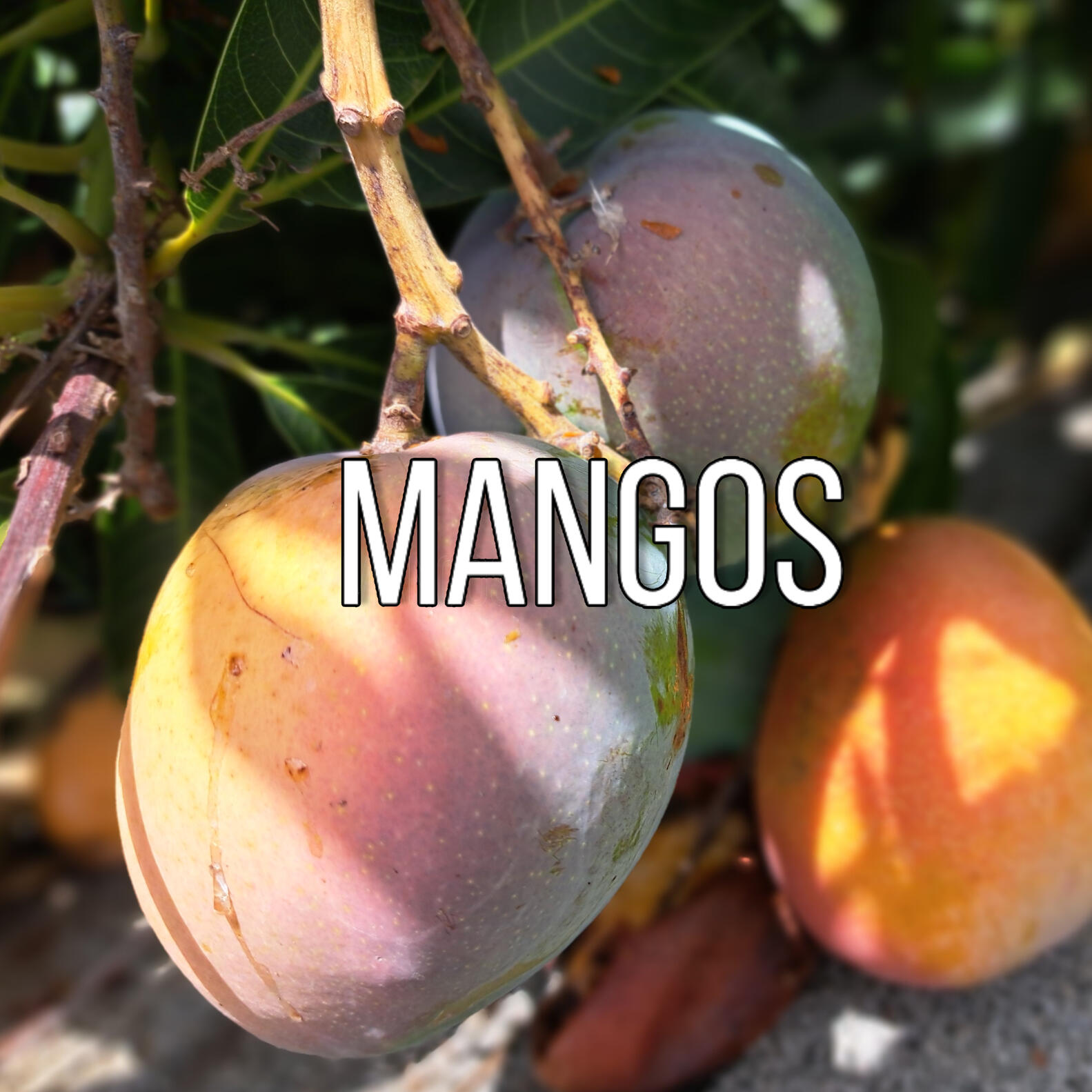
E4 Sugarloaf Mango
This variety is highly sought after for its ultra-sweet, juicy flesh and minimal fiber. Known for its elongated shape and greenish skin even when ripe, the E4 Sugarloaf has a unique pineapple-like sweetness and is excellent for fresh eating.E4 Sugarloaf is known for its ultra-smooth texture and excellent flavor.
Medium to large fruit with a pale yellow-green skin.
Super sweet, creamy, and fiberless flesh.
A tropical standout with excellent disease resistance.
A top-tier mango for fresh eating and desserts.
A hardy, disease-resistant mango for wet climates.
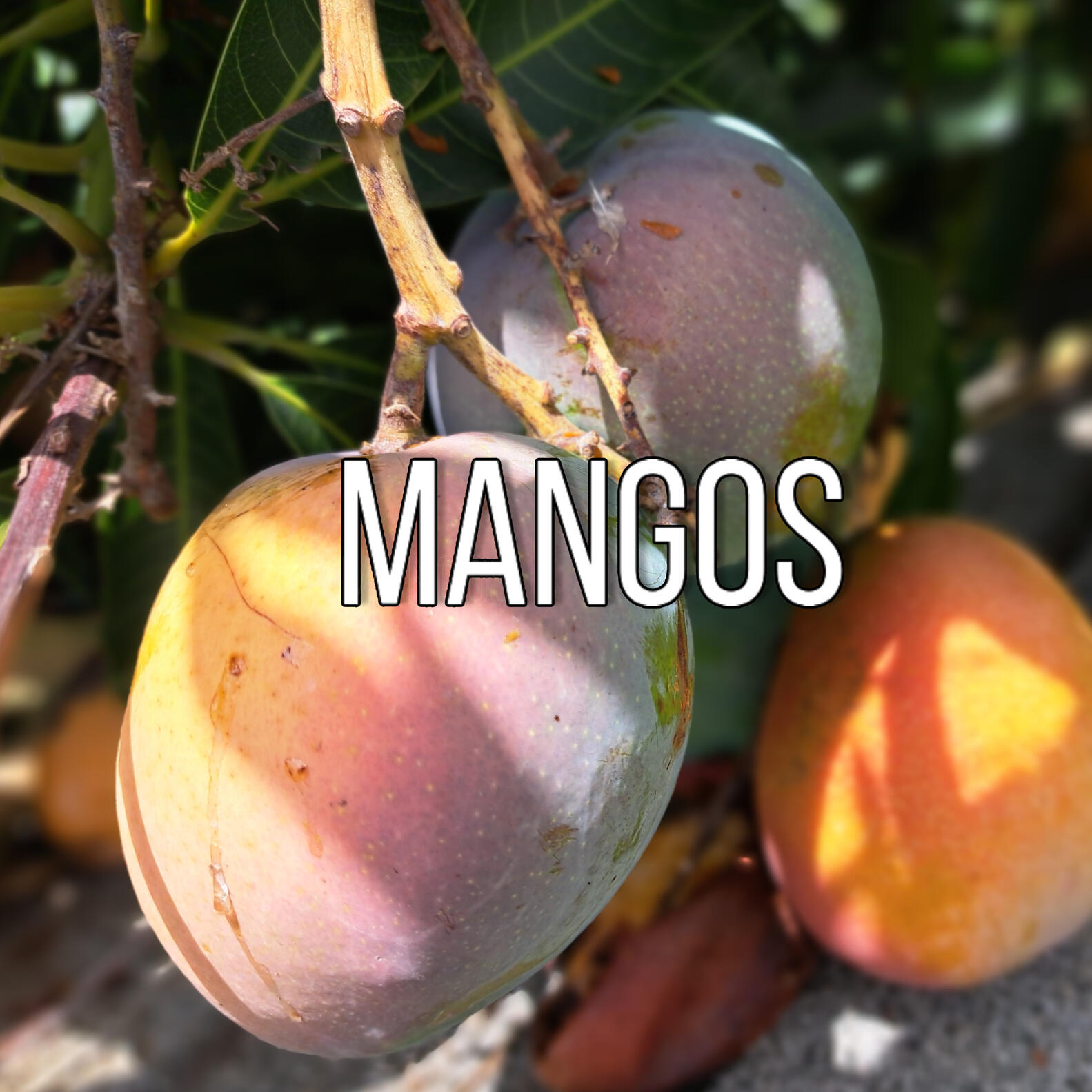
Florigon Mango
Medium-sized mango with yellow-green skin. The flavor is slightly astringent with a mild fruity aroma. Highly resistant to diseases, Florigon is a great choice for wet climates and offers a balanced sweetness. Its hardy nature and reliable production make it a favorite among growers.Florigon is an early-season mango with great adaptability.
Medium to large fruit with a pale yellow-green skin.
Super sweet, creamy, and fiberless flesh.
A tropical standout with excellent disease resistance.
A top-tier mango for fresh eating and desserts.
A mango bursting with fruity, punch-like flavor.
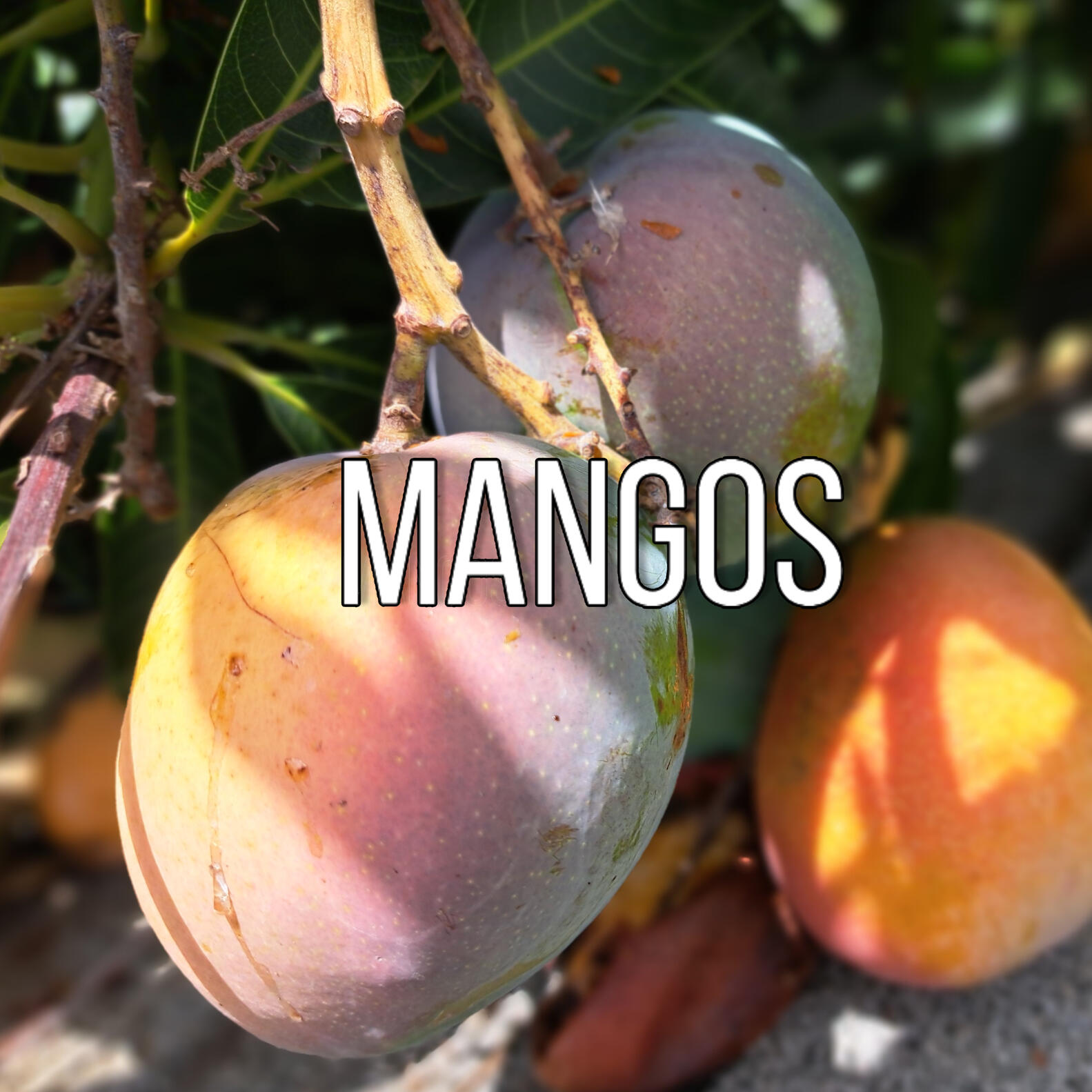
Fruit Punch Mango
Medium, round mango with red-orange skin. The flesh is sweet, tangy, and smooth, with a strong fruity aroma reminiscent of tropical punch. This variety is known for its vibrant, refreshing flavor, making it perfect for fresh consumption, smoothies, and fruit bowls.Fruit Punch is named for its vibrant, tropical mix of flavors.
Medium, round fruit with red-orange skin.
Tastes like a blend of mango, citrus, and tropical fruit punch.
Juicy, fiberless, and highly aromatic.
A favorite for fresh eating and smoothies.
A balanced mango with a smooth, sweet taste.
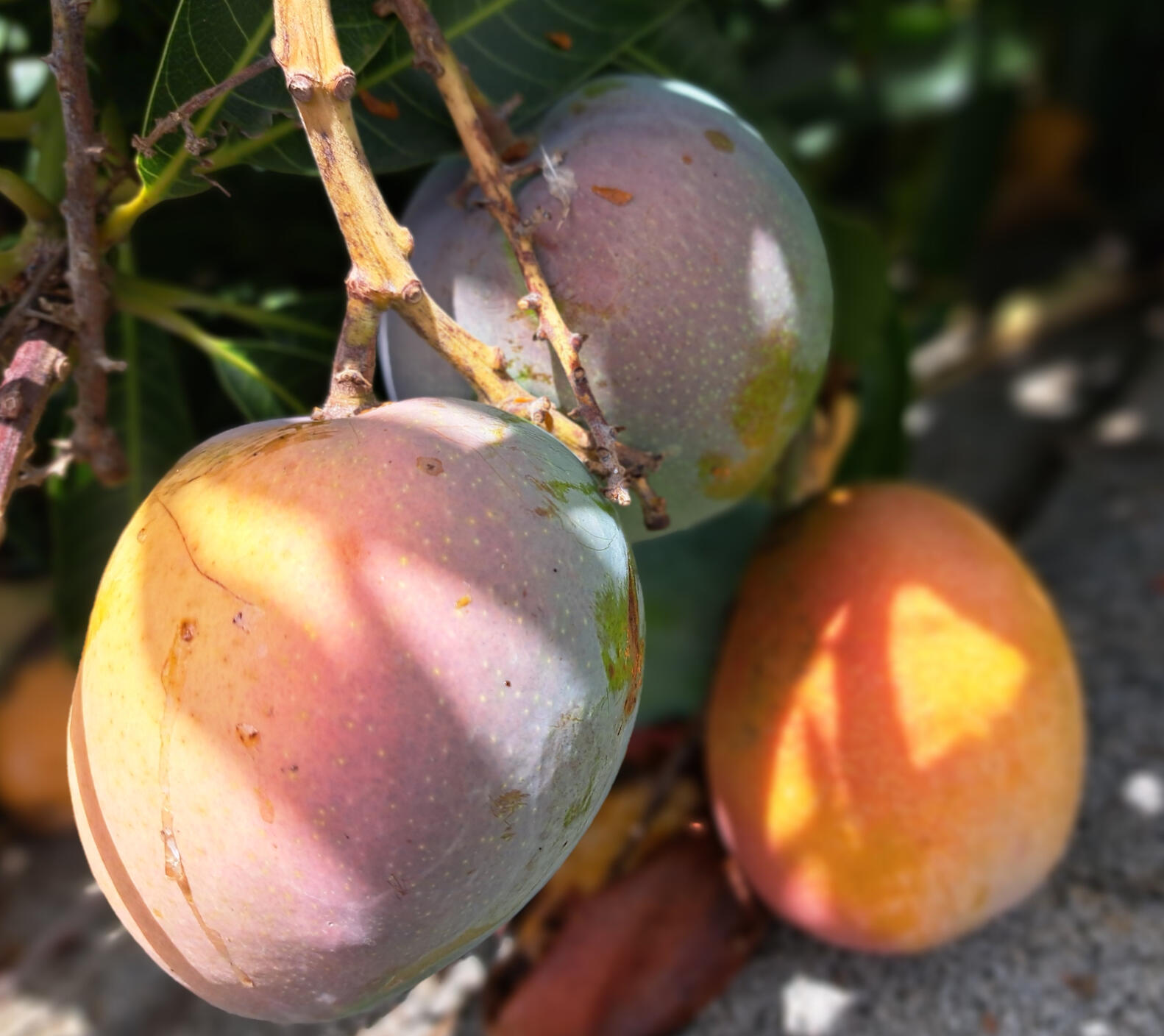
Glenn Mango
Medium, oval mango with yellow-orange skin. The flesh is mildly sweet, smooth, and juicy with a well-balanced fruity aroma. A seedling of Haden, Glenn is a reliable producer and offers a great balance of sweetness and acidity. Its firm texture and smooth flavor make it a favorite for fresh eating.Glenn is a reliable Haden seedling known for its consistent production.
Medium, oval fruit with yellow-orange skin.
Mildly sweet, smooth-textured flesh with a good balance of sugar and acidity.
Fruity aroma and firm texture make it excellent for fresh eating.
Heavy producer with a reliable mid-season harvest.
The classic mango that started it all.
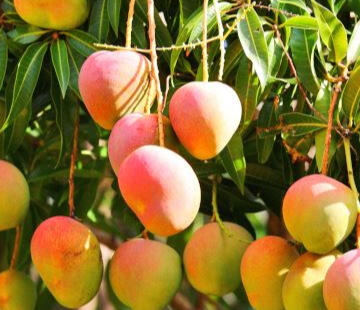
Haden Mango
Medium to large, elongated mango with red and yellow skin. The flesh is yellow, sweet, and slightly acidic when unripe, with a mild fruity aroma. A classic Hawaii variety, Haden is known for its rich flavor and attractive appearance, though it can be prone to jelly seed and inconsistent production.Haden is one of the most well-known mangoes, praised for its rich flavor and history.
Medium to large, elongated fruit with red-yellow skin.
- Sweet yellow flesh with a slight acidity when unripe.
Popular for its vibrant color and tropical taste, though prone to jelly seed.
A traditional Hawai'i variety, widely grown in Florida and the Caribbean.
Trees often grow to ~25 feet when pruning is neglected.
A monster mango that’s productive in the late season.
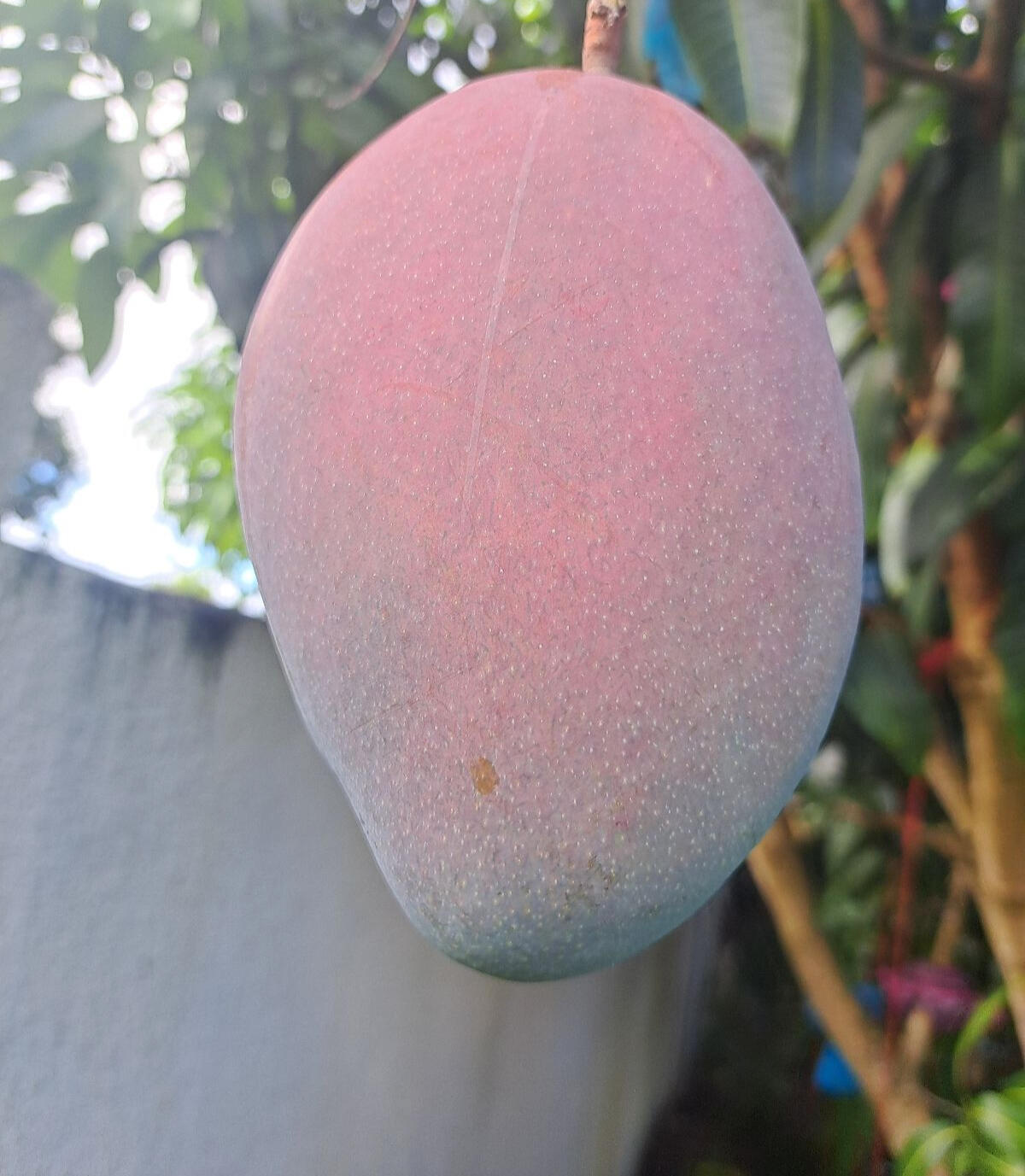
Keitt Mango
Large, oval fruit with green to orange skin, often weighing around 2 lbs. The flesh is mild and long-ripening, with a slight fruity aroma. Keitt mangoes are highly productive, disease-resistant, and ripen slowly, making them an excellent choice for late-season consumption.Keitt mangoes are large, firm, and known for their long ripening season.
Large, oval fruit that can exceed 2 pounds.
Mildly sweet, juicy flesh with little fiber.
Slow ripening and disease-resistant, making it a reliable producer.
Best enjoyed late in the season when other varieties have finished.
A uniquely shaped mango with an exceptional taste.
Kook Lon Krom Mango
Long mango with yellow skin and a distinctive hooked tip. The flesh is sweet, rich, and fiberless, with a thin seed and a slight fruity aroma. Compact and well-suited for container growing, Kook Lon Krom produces exceptionally sweet and flavorful mangoes.Kook Lon Krom is known for its long, curved shape and sweet, fiberless flesh.
Long, yellow fruit with a hook at the end.
Thin-seeded, fiberless, and extremely sweet.
Compact tree, making it great for container growing.
Highly prized in Southeast Asia for its flavor and productivity.
A mango with a citrusy kick.
Lemon Zest Mango
Medium, oblong mango with bright yellow skin. The flesh is sweet and citrusy, with a mild aroma. Prone to anthracnose, but highly prized for its exceptional citrus-like flavor. Ideal for fresh eating, desserts, and tropical drinks.Lemon Zest is beloved for its sweet, lemony undertones.
Medium, oblong fruit with yellow skin.
Sweet, citrus-infused flesh with a smooth texture.
Prone to anthracnose but worth growing for its incredible flavor.
A unique variety with a refreshing, tropical twist.
An elegant mango with floral undertones.
Maha Chanok Mango
Medium, oblong mango with pink and yellow skin. The flesh is sweet, floral, and fiberless, with a highly fragrant aroma. Disease-resistant and visually stunning, Maha Chanok is treasured for its delicate, perfume-like flavor and smooth texture.Maha chanok mangoes are prized for their delicate, fragrant taste.
Medium, oblong fruit with pink-yellow skin.
Sweet, floral, fiberless flesh with a smooth texture.
Highly resistant to diseases, making it an excellent choice for growers.
A favorite in Thailand, known for its exceptional beauty and taste.
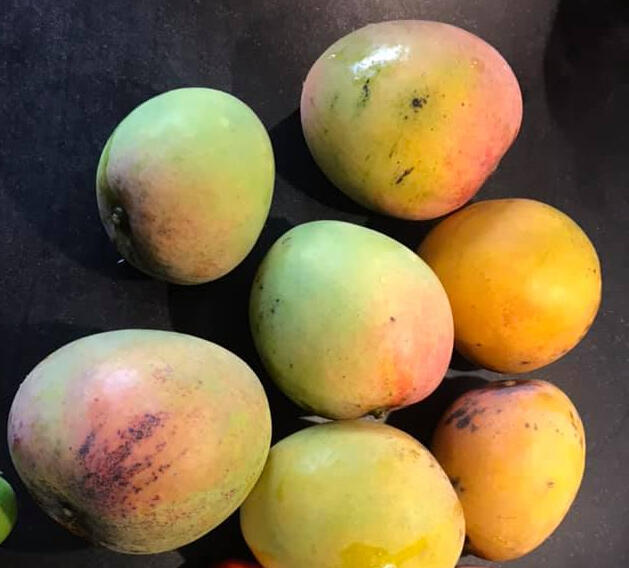
A Hawaiian mango known for its rich, juicy flavor & adorable "button".
Mapulehu Mango
Medium, round fruit with yellow-orange skin and a slightly pointed tip or signature "belly button". The flesh is orange, soft, fiberless, and highly fragrant with a perfume-like aroma. While its thin skin makes it prone to bruising, Mapulehu is beloved for its intensely sweet, fragrant flavor, making it best for fresh consumption.The Mapulehu mango is a Hawaiian variety with fiberless flesh and exceptional sweetness.
Medium-sized, round fruit with a slight tip.
Soft, deep-orange flesh with no fiber, highly fragrant.
Thin skin makes it delicate but enhances its rich, tropical aroma.
Heavy mid-season producer, ideal for warm, dry climates.
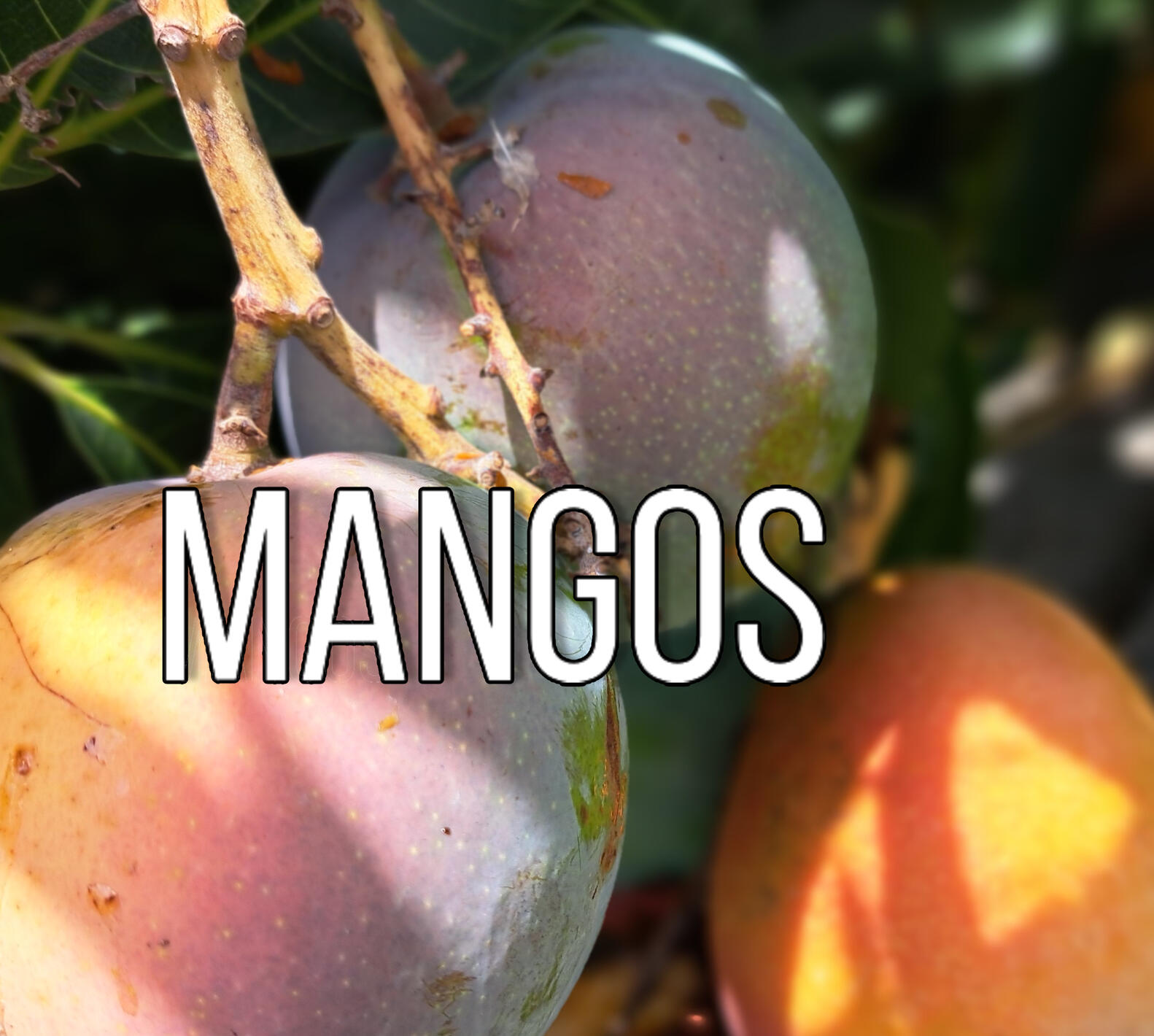
Thailand’s most famous sweet mango.
Nam Doc Mai Mango
Small to medium-sized, long, cigar-shaped mango with green to yellow skin. The flesh is incredibly sweet, smooth, and fiberless, making it one of the most popular mangoes in Thailand. It is also commonly eaten green when it has a crisp, tangy flavor. Highly aromatic and productive, this variety thrives in hot, humid climates, producing fruit from July to August.Nam Doc Mai is a must-have for lovers of ultra-sweet, juicy mangoes.
Small to medium, long, cigar-shaped fruit with green-yellow skin.
Extremely sweet, fiberless flesh, also enjoyed green for a tangy crunch.
Highly aromatic with excellent productivity in humid climates.
A staple mango in Thailand, perfect for fresh eating and desserts.
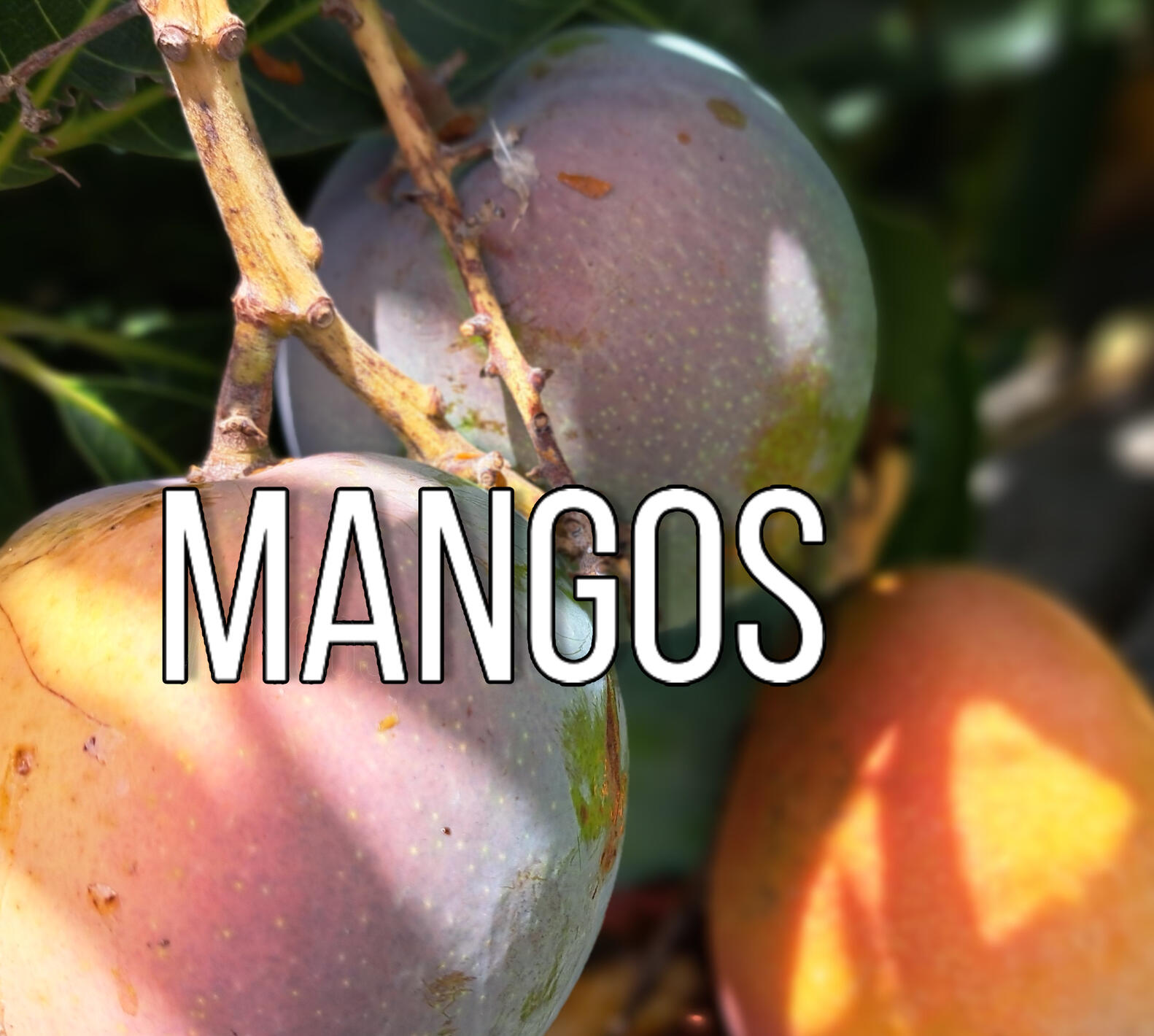
A productive mango with high-quality, creamy flesh.
Parvin Mango
Medium, oval mango with yellow-red skin. The flesh is sweet, fiberless, and creamy, with a mild aroma. Highly productive and disease-resistant, Parvin is known for its high-quality, smooth flesh and excellent consistency.Parvin mangoes are known for their smooth texture and disease resistance.
Medium, oval fruit with yellow-red skin.
Fiberless, sweet flesh with a creamy texture.
Heavy producer, highly resistant to common mango diseases.
Great for fresh eating, smoothies, and desserts.
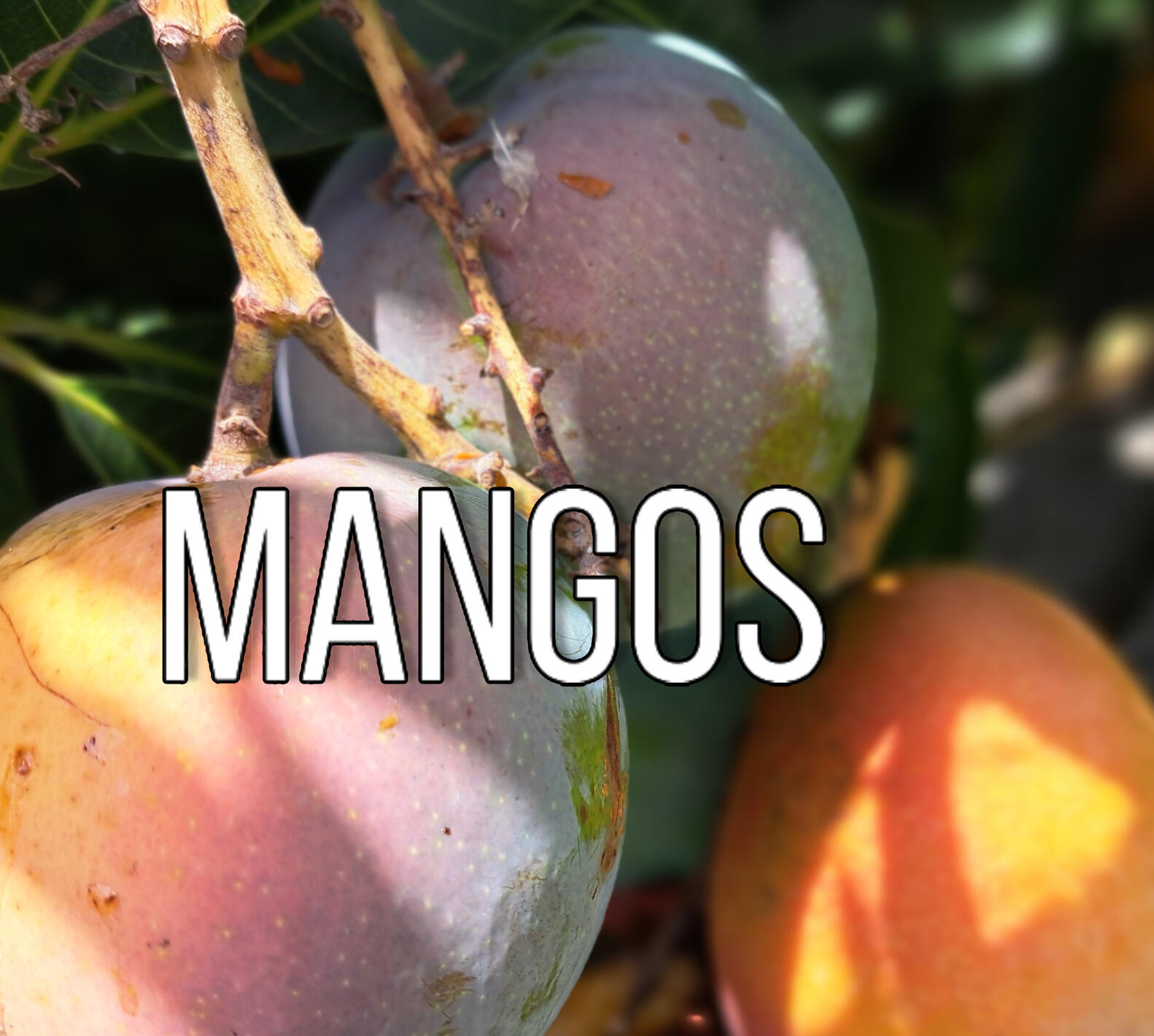
A mango bursting with pineapple sweetness.
Pineapple Pleasure Mango
Medium, roundish mango with yellow skin. The flesh has a unique pineapple-like flavor and a tropical aroma. Known for its sweet and tangy taste, Pineapple Pleasure is an excellent choice for tropical climates and fresh eating.Pineapple Pleasure delivers a tropical fusion of mango and pineapple flavors.
Medium, roundish fruit with yellow skin.
Tangy, sweet flesh reminiscent of pineapple.
Perfect for tropical climates and fresh eating.
A must-have for fruit lovers who enjoy bold flavors.
A heart-shaped Hawaiian treasure with a rich, tropical taste.
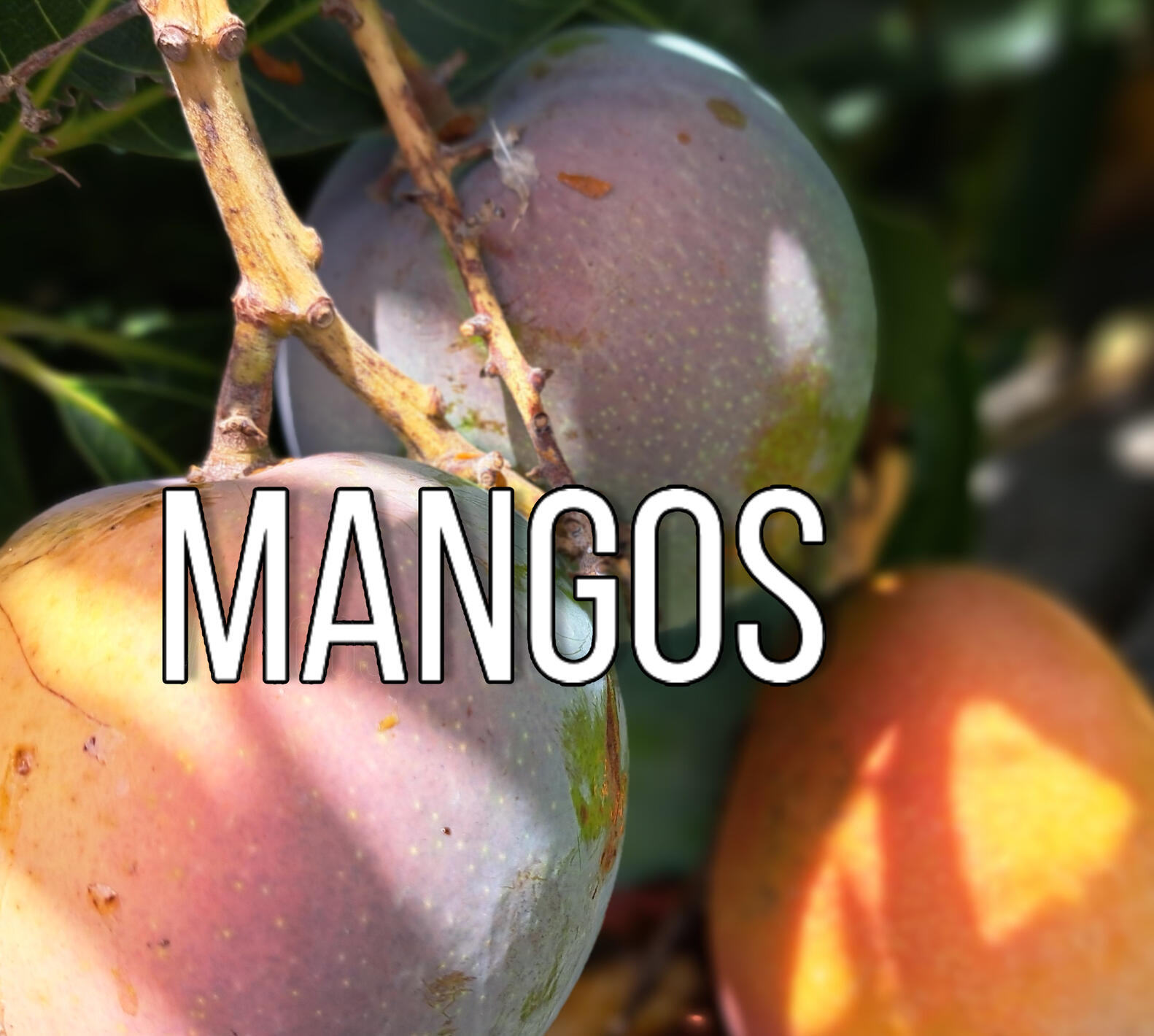
Pope Mango
Medium, round, heart-shaped mango with red and yellow skin. The flesh is deep orange, firm, low in acidity, and exceptionally rich in flavor. This variety thrives in Hawaii’s tropical climate, producing consistently high-quality fruit from July to August. The small tree makes it a great choice for home growers looking for a flavorful and manageable mango variety.Pope mango is perfect for those who love a smooth, rich mango with a balanced sweetness.
Medium, round, heart-shaped fruit with red and yellow skin.
Firm, deep orange flesh with a rich, low-acid taste.
Grows well in tropical climates and is ideal for small spaces.
Thrives in Hawaii, producing high-quality fruit from July to August.
A premium Hawaiian mango with incredible disease resistance.
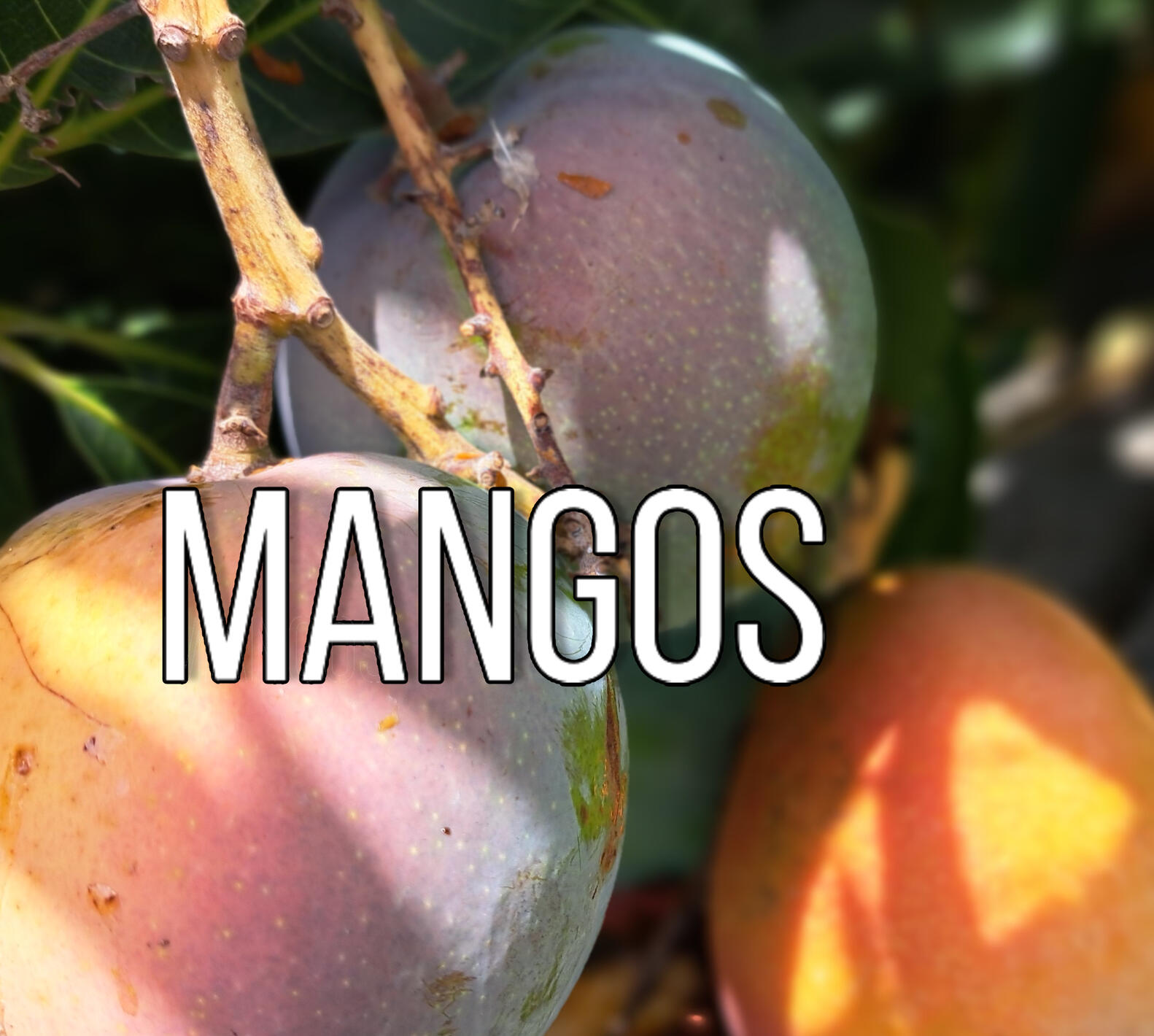
Rapoza Mango
Medium to large, oblong mango with red and yellow skin. The flesh is sweet, fiberless, and melts in the mouth, with a fragrant aroma. Popular in Hawaii, Rapoza is highly resistant to anthracnose and well-suited for tropical environments. Its rich flavor and smooth texture make it a premium variety.The Rapoza mango is a favorite in Hawaii due to its sweet, fiberless flesh and lateral growth habit.
Medium to large, oblong fruit with red-yellow skin.
Soft, melting texture with a rich, tropical sweetness.
Resistant to anthracnose, making it ideal for humid environments.
Excellent choice for fresh eating and tropical climates.
A Japanese favorite with a firm, tangy bite.
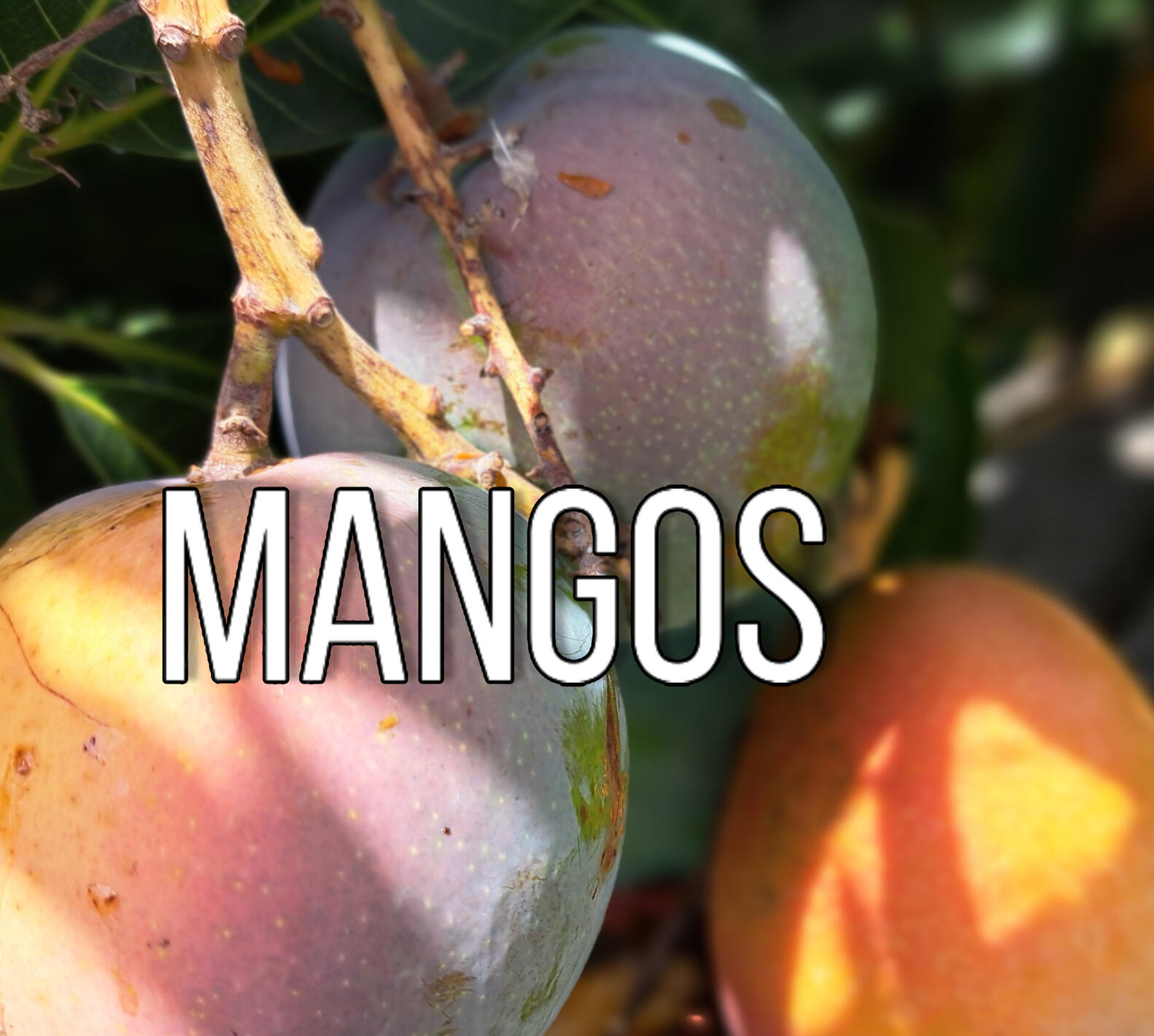
Shin Mango
Medium, oval mango with yellow-red skin. The flesh is sweet, tangy, firm, and low in fiber, with a mild aroma. Prized in Japan for its firmness and balanced flavor profile, Shin mangoes are excellent for fresh eating and culinary uses.Shin mangoes are appreciated for their firm texture and well-balanced flavor.
Medium, oval fruit with yellow-red skin.
Sweet, tangy, and firm flesh with low fiber.
Prized in Japan for its balanced sweetness and acidity.
Excellent for fresh consumption and desserts.
A unique cigar-shaped mango with great resilience.
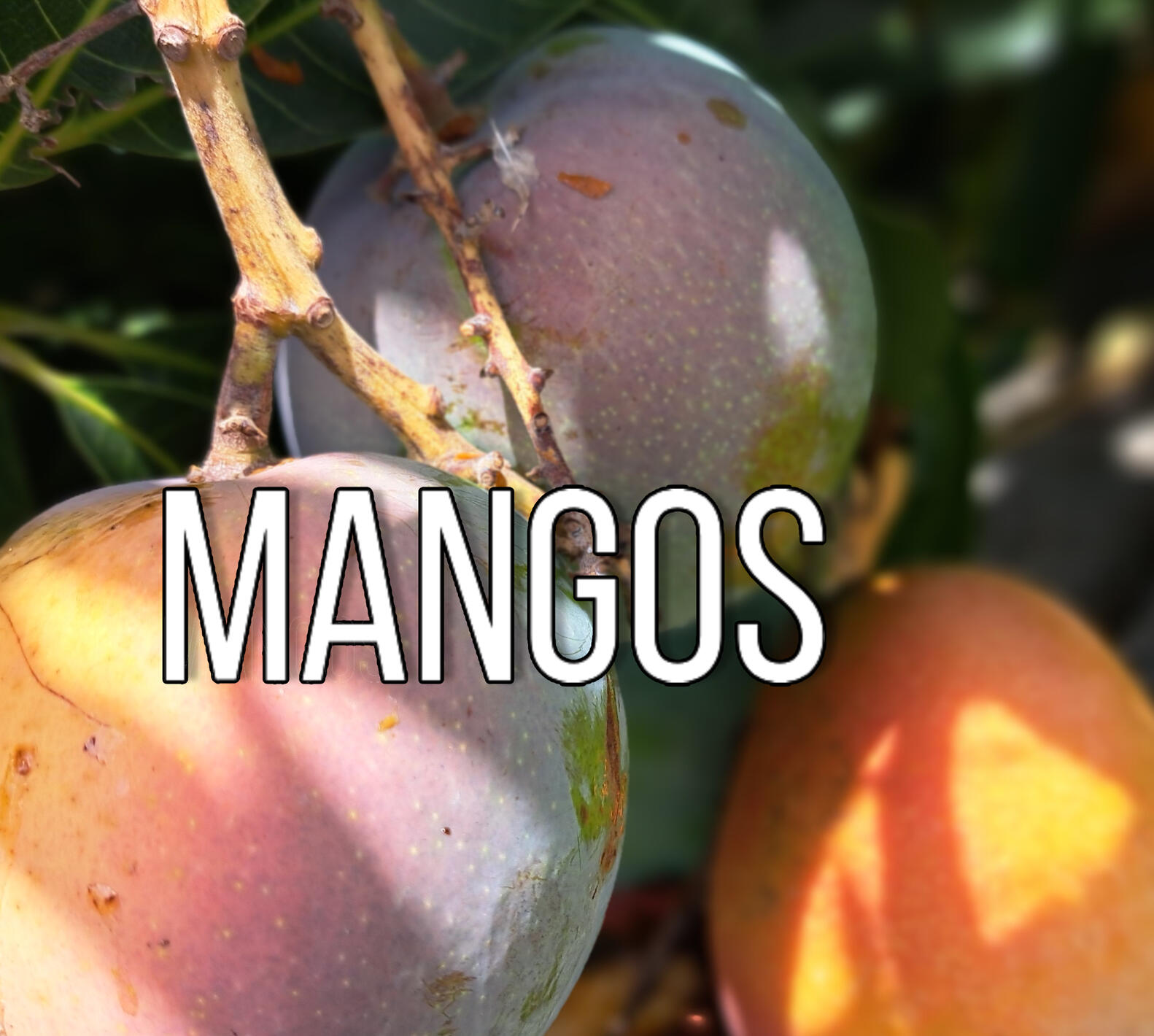
Zillate Mango
Large, cigar-shaped mango with green to wine-red skin. The flesh is sweet, low in fiber, and juicy, with a mild aroma. Zillate is known for its unique elongated shape, excellent disease resistance, and strong fruit retention on the tree, making it a reliable and high-quality choice.Zillate mangoes are highly productive and resistant to diseases.
Large, elongated fruit with green to wine-red skin.
Sweet, juicy flesh with minimal fiber.
Fruit stays on the tree well, making it a great backyard variety.
Excellent for fresh eating and tropical climates.
Orange
Sweet Tangelo
The Sweet Tangelo Orange have the sweet, juicy flavor of tangerines with only a slight tang. The bright orange skin and slight top bump make these beauties stand out at the fruit stand.Great for citrus enthusiasts looking for something special, sweet, and incredibly juicy!
This Sweet Tangelo Orange variety is so full of flavor it’s by far our favorite citrus tree.Growing Tips: Prefers full sun and rich, well-drained soil. Regular watering and balanced fertilizer ensure a bountiful harvest. Prune at least annually.Culinary Tips: Use peels for old fashioned cocktails, candied orange peels, and marmalade.
Pomello (Jabong)
Sweet Ruby
This variety produces ruby-red, sweet, and slightly tangy fruits with a pomelo-like texture.Bigger and better than grapefruit with incredible ruby color and a sweet, juicy fruit that's fun to eat.The "Pink Sweet Jabong" variety is sweet with a touch of tanginess—perfect for those who enjoy a flavorful citrus experience!
Perfect for fresh eating, adding zing to salads, or desserts.Growing Tips: Prefers full sun and well-drained soil. Water consistently during the growing season and reduce in winter.
Lemon
Hybrid Meyer
This unique hybrid tree produces sweeter and more fragrant lemons on a single compact tree. A practical and versatile choice; it’s a must-have for any citrus collection!Our dwarf trees are Meyer Lemon derived variety that ripens green-to-yellow and has less acidity and more sweetness than your typical lemon. Super thin and smooth skin and perfect for refreshing drinks!
Growing Tips: Thrives in full sun with well-drained soil. Perfect for pots and small spaces.
Orange
Cara Cara
This compact tree produces the renowned Cara Cara Oranges with pink-red flesh and a sweet, low-acid flavor. A citrus lover’s delight for fresh eating and juicing.Growing Tips: Requires full sun and nutrient-rich, well-draining soil. Consistent watering ensures juicy, flavorful fruits.
Avocado
Hulumanu Avocado
The "Hulumanu" variety is a distinguished heirloom, known for its smooth and creamy texture—it's the best I’ve ever had!The mother tree is over 50-years old and a treasured family heirloom avocado valued for its unique flavor and exceptional creaminess, making it a rare and coveted addition to your garden.Enjoy a luxurious harvest of creamy, flavorful avocados each season!
Growing Tips: Grows best in full sun with well-drained soil. Ensure good air circulation by pruning, and consistent watering for healthy growth.
Beshore Avocado
The Beshore is a prized Hawaii-grown avocado — a selected Sharwil seedling celebrated for its rich, smooth, exceptionally creamy flesh and high oil content. It delivers the buttery, indulgent mouthfeel that makes Sharwil-type avocados world-famous, but produces larger, more elongated fruits with a deep nutty flavor and velvety texture. A reliable, consistent producer and a top choice for Oahu home orchards.Grows well across Oahu — particularly in Waimanalo, Kailua, and the Kahalu'u–Waiāhole windward belt, as well as Wahiawa, Mililani, and upland North Shore properties with good drainage. Beshore is a good partner tree for Type A varieties and shines in any backyard seeking Sharwil-level quality with a bit more fruit size.Harvest: summer (mirrors Sharwil's later side)
Origin: Guatemalan × Mexican hybrid (Sharwil lineage)Growing tips: Full sun, excellent drainage (avoid wet feet — avocados are very susceptible to root rot). Prune for airflow. Mulch heavily but keep mulch off the trunk.
Chang Avocado
The Chang is a sought-after Guatemalan-type avocado grown in Hawaii, known for its soft, creamy flesh and unusual peelable skin that feels almost latex-like when ripe — a truly gourmet eating experience. Recommended by the University of Hawaii for home garden planting, the Chang is a Type B winter-to-spring bearer that pairs beautifully with Type A varieties like Green Gold or San Miguel for maximum fruit set.Grows well on Oahu in Waimanalo, Kailua, Manoa Valley, Palolo, and Pauoa — neighborhoods with the slightly cooler, well-drained conditions Guatemalan-race avocados prefer. A rare and rewarding addition for Oahu collectors who want a truly distinct eating avocado.Harvest: winter to spring
Origin: Guatemalan
Flower type: BGrowing tips: Full sun, well-drained soil, consistent moisture. Prune after harvest to keep size manageable.
Green Gold Avocado
The Green Gold is a University of Hawaii avocado selection developed from Sharwil — and is considered by many local growers to surpass its famous parent. This heavy-bearing late-season favorite produces medium-sized, pear-shaped fruits with rough green-gold skin, a small seed, and dense, rich, nutty flesh with high oil content. It's one of the core commercial Hawaiian varieties and a reliable Oahu backyard tree.Grows well throughout Oahu, including Waimanalo, Haleiwa, Waialua, Mililani, Wahiawa, and Pupukea. Green Gold handles both windward and leeward locations as long as drainage is excellent. A Type A variety — pairs well with Sharwil, Chang, or Malama.Harvest: January through April (long season, winter into spring)
Origin: Guatemalan × Mexican (Sharwil offspring)
Flower type: AGrowing tips: Full sun, well-drained soil. Prune annually to maintain shape and air circulation.
HOLIDAY avocado (California dwarf)
The Holiday is a true dwarf avocado developed at UC Riverside in California (released 2001, patent XX3), celebrated for its large, high-quality Guatemalan-type fruits in a compact, weeping tree form — making it one of the few avocados genuinely suited to townhomes, lanai planters, and tight Honolulu lots. Fruit is substantial (18–24 oz), green-skinned, pear-shaped, with dense creamy flesh, and holds well on the tree from late summer into winter.Grows well in small Oahu spaces — Hawaii Kai, Aina Haina, Kapahulu, Kaimuki, and urban Honolulu backyards, as well as container plantings on Waikiki-area lanais. Its skirting, sprawling habit makes it ideal for espalier or fence-line planting. Note: Holiday is California-bred, not a Hawaiian variety, but performs well in Oahu's leeward climate.Harvest: September through January (named for holiday-season ripening)
Origin: Guatemalan
Flower type: A
Tree size: True dwarf — 10–15 ft max, often smaller with pruningGrowing tips: Full sun, well-drained soil. Tolerates containers better than most avocados. Prune to encourage upright growth if the weeping habit crowds walkways.
Kau Avocado
The Kau is a beloved Hawaiian avocado selection, prized for its wonderfully buttery, smooth, creamy flesh that many Oahu growers praise as among the richest available locally. This high-oil variety produces flavorful green-skinned fruits with a melt-in-your-mouth texture — a true connoisseur's avocado and a local favorite for backyard growers wanting standout eating quality.Grows well on Oahu in Waimanalo, Kailua, Haleiwa, and the sunnier leeward-to-central belt from Wahiawa through to Waianae's lower slopes. Well-suited to Oahu's warmer microclimates.Harvest: varies by site; commonly fall-to-winter bearingGrowing tips: Full sun, excellent drainage, consistent watering during fruit development. Prune for airflow and to manage size.
Malama Avocado
The Malama is an excellent University of Hawaii avocado cultivar, a regular heavy bearer known for its thick, fiberless, luxuriously creamy flesh with high oil content and a rich, nutty flavor. Beautiful oblong fruits (1–1.5 lbs) develop smooth purple skin when ripe — one of the few Hawaiian varieties that genuinely darkens like a Hass — with bright yellow-green flesh inside. An Oahu favorite for fall harvests.Grows well on Oahu in Waimanalo, Kailua, Haiku Valley, Pauoa, Manoa, and the Pupukea uplands — anywhere with good drainage and full sun. Type B flower type — pairs excellently with Type A varieties like Green Gold, Kahalu'u, or San Miguel.Harvest: early fall
Origin: Guatemalan-type
Flower type: BGrowing tips: Full sun, well-drained soil, regular watering through flowering and fruit set. Prune for shape and air circulation.
R14-T1 Avocado
The R14-T1 is a University of Hawaii experimental selection valued for creamy, flavorful flesh that stands out among local Oahu varieties — delivering that smooth, buttery satisfaction collectors look for in a rare cultivar. A special-interest pick for avocado enthusiasts and Oahu growers building diverse backyard orchards.Grows well on Oahu in Waimanalo, Kailua, and similar fertile, well-drained sites where most Hawaiian avocados thrive. Best suited to growers already familiar with avocado culture who want a less-common variety.Harvest: season varies by microclimateGrowing tips: Full sun, excellent drainage, consistent watering. Prune for airflow.
Hulumanu Avocado
The Hulumanu is a treasured Hawaiian avocado with smooth, exceptionally creamy flesh — widely regarded by local growers as one of the finest-eating varieties on the islands. This heirloom West Indian-type avocado has been passed down through generations of Hawaii families and is a rare, coveted addition to any Oahu backyard orchard, especially for growers seeking summer-bearing options when most Hawaiian varieties are out of season.Grows well on Oahu in Waimanalo, Kailua, Haleiwa, Waialua, and the warmer central and leeward belts. As a West Indian-type, Hulumanu tolerates lower elevations and coastal heat better than Guatemalan varieties.Harvest: summer (when few other Hawaii varieties are producing)
Origin: West Indian
Flower type: AGrowing tips: Full sun, well-drained soil. West Indian types prefer warmer, lower-elevation sites — ideal for coastal and leeward Oahu. Consistent watering through fruit set.
San Miguel avocado
The San Miguel is a popular Hawaii-grown avocado — possibly Puerto Rican in origin but long established in the islands — producing pear-shaped to roundish green-skinned fruits (8–20 oz) with smooth, creamy flesh and excellent flavor. A moderate, regular bearer that shines in fall and winter, extending your Oahu avocado season beyond the Sharwil harvest.Grows well on Oahu in Waimanalo, Kailua, Waialua, Haleiwa, and Wahiawa. Type A flower type — a natural pollination partner for Type B varieties like Sharwil, Chang, or Malama. Known among commercial Hawaii growers as one of the standout-flavor varieties alongside Green Gold and Malama.Harvest: September through January (fall into winter)
Origin: hybrid
Flower type: AGrowing tips: Full sun, well-drained soil, consistent watering. Prune for shape and air circulation.
Sharwil avocado
The Sharwil is Hawaii's flagship commercial avocado and the only Hawaiian avocado variety approved by USDA for export to the US mainland. Originally a chance seedling from Frank Sharpe's property in Queensland, Australia (the name combines "Sharpe" and "Wilson," who introduced it in 1954), scions were brought to Hawaii in 1966 and the variety has thrived here ever since — particularly on the Big Island's Kona coast, but also across Oahu. Medium-sized pear-shaped fruits with rough green skin, a small seed, and famously high oil content (20–28%) deliver a rich, nutty, velvety eating experience that many growers consider the world's best avocado.Grows well on Oahu in Waimanalo, Kailua, Waialua, Haleiwa, Mililani, Wahiawa, and the Pupukea uplands — essentially anywhere with full sun and excellent drainage. Sharwil does not darken when ripe (stays green-skinned), so harvest cues are stem-cap release and slight softening. Type B flower — pairs beautifully with Type A varieties like Green Gold, San Miguel, or Kahalu'u for maximum fruit set.Harvest: November through May (peak winter–spring)
Origin: Guatemalan × Mexican hybrid
Flower type: BGrowing tips: Full sun, excellent drainage (Sharwil is particularly susceptible to phytophthora root rot — do not overwater). Prune after harvest for size control and air circulation. Heavy mulching, kept off the trunk, is ideal.
Vasconcellos avocado
The Vasconcellos is a flavorful Hawaiian avocado selection prized by local growers for its rich, creamy flesh and excellent taste — delivering the indulgent, melt-in-your-mouth experience that defines the best Hawaii-grown avocados. A reliable standout in Oahu backyard collections and a local heirloom-style variety that deserves wider planting.Grows well on Oahu in Waimanalo, Kailua, Haleiwa, and the fertile windward and North Shore zones where most Hawaiian varieties thrive.Harvest: varies by microclimateGrowing tips: Full sun, well-drained soil, consistent watering. Prune for airflow and fruit accessibility.
Yamagata avocado
The Yamagata is an award-winning Hawaiian avocado — named for Heiji Yamagata, a respected Hawaii agriculture specialist who developed it — and recognized by University of Hawaii consumer polls as one of the best-tasting Hawaiian cultivars. It won "Best All-Around Avocado" at Kona's 2011 Buyers Preference Challenge. Large pear-shaped fruits with curved necks, rough light green skin, small seeds, and deeply flavorful creamy flesh make this a true gourmet avocado — bridging the gap between Sharwil-type winter harvests and summer varieties.Grows well on Oahu in Waimanalo, Kailua, Haleiwa, Waialua, Mililani, and Wahiawa. Yamagata is a vigorous, upright, large tree — best for properties with room, not tight urban lots. Type B flower type, ideal paired with Type A varieties like Green Gold, San Miguel, or Hulumanu.Harvest: late spring through early summer (March–July)
Origin: hybrid
Flower type: BGrowing tips: Full sun, well-drained soil, consistent watering. Expect a sizable tree — plan for 25+ ft spacing. Prune annually for structure and airflow.
Wurtz avocado (Little Cado)
The Wurtz, also known as Little Cado, Littlecado, or Minicado, is widely regarded as the only true dwarf avocado variety — a chance seedling discovered by Roy Wurtz in Encinitas, California around 1935 and introduced commercially in 1948. A Mexican × Guatemalan hybrid, the Wurtz stays naturally small (8–12 ft), has a distinctive weeping growth habit, and is unique among avocados in producing both Type A and Type B flowers on the same tree, meaning it's effectively self-pollinating — no partner tree required. Fruit is pear-shaped, 8–12 oz, green-skinned, and creamy with good oil content and a nutty, Hass-like flavor.Grows well in small Oahu spaces — Honolulu condos with lanais, Hawaii Kai, Aina Haina, Kaimuki, Kapahulu, and urban apartment courtyards. The Wurtz is the best avocado variety for container growing in Hawaii, making it a top choice for renters, townhome owners, and anyone without yard space. Fruits reliably within 1–2 years of planting when grafted.Harvest: May through September (summer)
Origin: Mexican × Guatemalan hybrid
Flower type: A & B (self-pollinating)
Tree size: True dwarf — 8–12 ft maxGrowing tips: Full sun, well-drained potting mix or soil. Containers need frequent watering (daily in summer). Protect young trees (under 12 months) from intense direct sun until foliage fills in. Prune lightly to maintain shape; the natural weeping habit is part of its charm.
Breadfruit ('Ulu)
Ma'a Fala
The Ma‘a Fala Breadfruit Tree is a prized Polynesian variety known for its smaller, round to oblong fruits with a creamy texture and rich, nutty flavor. A staple in tropical diets, the fruit is versatile for roasting, boiling, or frying, making it a culinary favorite. Its striking foliage adds a lush, ornamental appeal to any landscape.Growing Tips: Thrives in full to partial sun and fertile, well-draining soil. Requires consistent moisture, especially during the growing season, but ensure proper drainage to prevent waterlogging. Protect from strong winds, as its large leaves are susceptible to damage.Harvest Season: Produces a steady yield of nutritious fruits, making it an excellent addition to sustainable, food-producing gardens.
Loquat (Tropical Apricott)
Sweet Loquat
The Sweet Loquat is a tropical fruit tree that produces juicy, tangy-sweet fruits with a hint of citrus and apricot. Excellent for fresh eating, preserves, or desserts.Growing Tips: Prefers full sun to partial shade and well-draining soil. Water regularly and provide occasional feeding for abundant fruiting. Make sure to cover fruits with mesh bags to prevent bird damage!
Mountain Apple
Malay apple
Flavor: Crisp, watery flesh with a subtle sweet flavor and hints of rose apple.Size: Medium to large tree, reaching 20-50 feet tall with a dense, rounded crown.Flowers: Stunning bright red to hot pink clusters that emerge directly from the trunk and branches.Fruit: Bell-shaped, 2-5 inches long, ranging from light green to deep red or purple-red when ripe.Cold Tolerance: Tropical, thrives in USDA zones 10a-12b (perfect for most Hawaiian elevations).Growing: Requires full sun (6-8 hours daily), well-draining soil, and protection from strong winds. Can produce fruit up to three times per year in ideal conditions.
Randia formosa
Blackberry Jam Fruit
The Blackberry Jam Fruit, or Randia formosa, is a rare tropical treasure producing small, berry-like fruits with a flavor and texture that truly resemble blackberry jam. Perfect for enjoying fresh, as a dessert topping, or even spread on toast!
Compact Growth: Slow-growing and ideal for container gardening, reaching 3-4 feet in height over years in a 3-5 gallon pot.Dense Foliage: Attractive branching habit with lush, dense leaves, adding ornamental value.Shade Tolerant: Thrives in filtered light, making it great for indoor setups or shaded greenhouses.Fragrant Flowers: Gardenia-like blooms with a sweet fragrance, covering the bush in a blanket of star-shaped flowers.Early Fruiting: Begins producing fruit as early as 1-1.5 years from seed; small plants bloom and fruit at just 2 feet tall.Prolific Producer: Even a 3-foot plant in a 3-gallon container can yield up to 25-30 fruits at once, with continuous harvests after year two.
Growing Tips: Prefers acidic, well-drained soil and thrives in pots with quality potting mix. Consistent watering and occasional feeding will keep this delightful plant healthy and productive.Perfect for small spaces and container gardeners who crave an exotic, jam-filled delight!
Passionfruit
Lilikoi (Passiflora edulis)
Lilikoi, or passionfruit, is a vigorous climbing vine prized for its exotic, aromatic fruit and stunning, intricate flowers. The fruit has a tangy, tropical flavor and is perfect for juices, desserts, or eating fresh. The vine itself is a showstopper, with lush, lobed leaves and breathtaking flowers that attract pollinators like bees and butterflies.
Growth Habit: Fast-growing vine that can reach 15-20 feet or more, ideal for covering fences, trellises, or arbors.
Flowers: Striking purple and white blooms with a sweet fragrance, blooming throughout the warmer months.
Fruit: Round to oval fruits with a bright yellow rind. The pulp inside is juicy, sweet-tart, and filled with edible seeds.
Pollinator Friendly: Flowers attract bees, butterflies, and other beneficial insects.
Growing Tips: Thrives in full sun but can tolerate partial shade in hotter climates. Prefers well-draining, fertile soil with a slightly acidic pH. Regular watering, especially during flowering and fruiting, but avoid waterlogging.
Requires sturdy support, such as a trellis, tree, wall, or fence, for its climbing habit.
Passionfruit (Passiflora laurifolia)
Jamaican Lilikoi
Jamaican Lilikoi, also known as water lemon or Passiflora laurifolia, is a tropical treasure with a uniquely rich flavor profile. The fruit combines the sweet, tangy essence of passionfruit with a subtle coconut-like undertone, creating a tropical taste experience unlike any other. Its oval-shaped, yellow fruits are as fragrant as they are flavorful, making them perfect for fresh eating, juices, or exotic desserts.Growing Tips: Thrives in full sun but can tolerate partial shade in hotter climates. Prefers well-draining, fertile soil with a slightly acidic pH. Regular watering, especially during flowering and fruiting, but avoid waterlogging.
Requires sturdy support, such as a trellis, tree, wall, or fence, for its climbing habit.
Fragrant & Edible Flowers
KING Tahitian Puakenikeni
Cherished for its fragrant, creamy-white blooms, the King Tahitian Puakenikeni is perfect for leis, floral arrangements, and perfumed gardens. The rare King variety is the largest of all Puakenikeni flowers (3 times the size of standard variety)!Larger, healthier, and well-established roots to live long and provide amazing smelling flowers for generations - every one of our trees is air layered from a strong 30+ year old mother tree that gives life and joy to our family and nursery.Growing Tips: Thrives in full to partial sun and nutrient-rich, well-draining soil. Regular watering encourages healthy growth and abundant flowers.
Jasmine Flower
ROSE PIKAKE
This delicate jasmine variety offers creamy-white blooms with a rosy blush and a sweet, intoxicating fragrance. Perfect for leis, teas, and ornamental purposes.Great for those who appreciate the finest in fragrant flowers, lasting days after cutting in vases to brighten up your home.Growing Tips: Grows best in full sun to partial shade with well-draining soil. Water regularly but avoid overwatering.